
Introduction
Water exposure can seriously affect smartphones, often leading to malfunctioning screens and internal damage. Swift and smart action is crucial to rescuing your device and avoiding costly repairs or replacements. Understanding effective remedies and prevention tips helps mitigate these risks significantly.
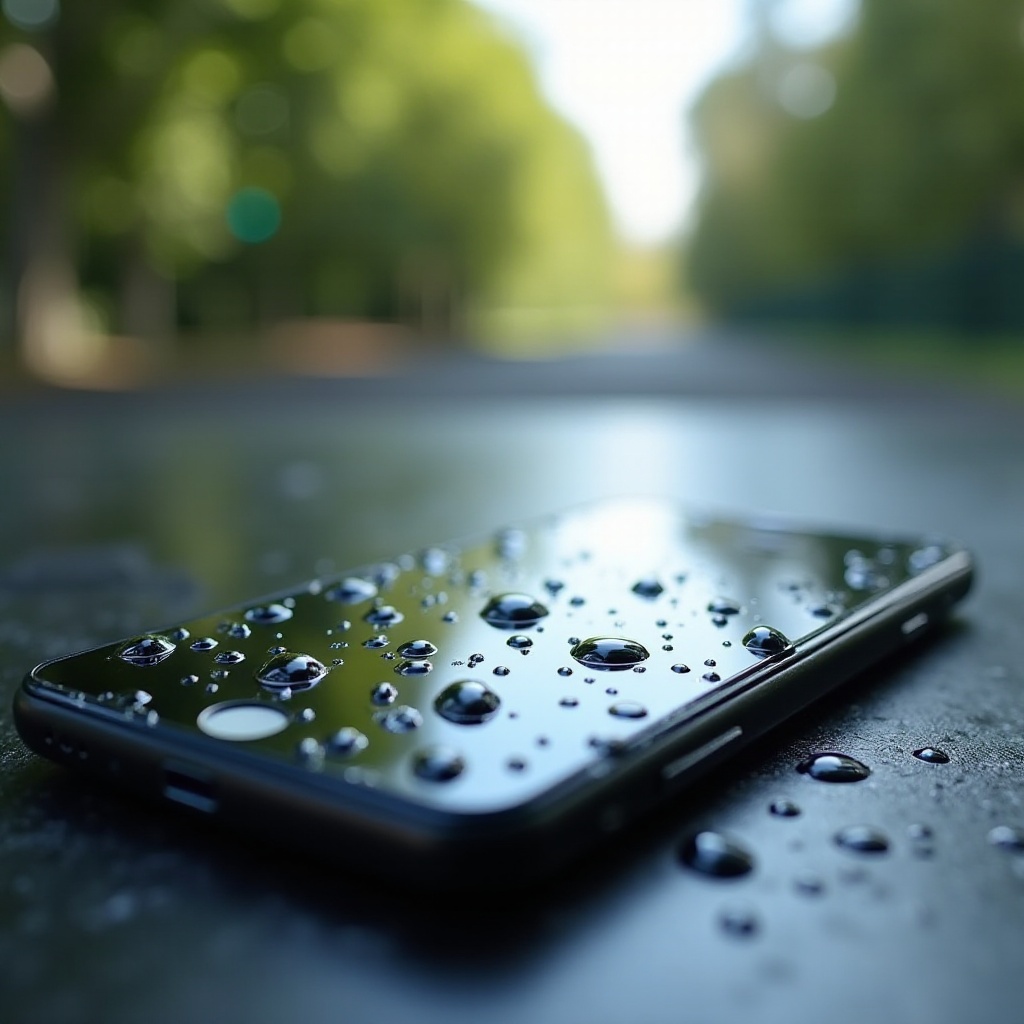
Immediate Actions to Take
When your phone encounters water, it is vital to act fast. Begin with these essential steps:
- Turn Off the Device: Immediately switch off your phone to prevent electrical short circuits.
- Remove External Accessories: Detach cases and screen protectors right away. They can trap moisture, prolonging damage.
- Basic Drying Techniques: Gently pat the phone dry using a soft, absorbent cloth. Focus your efforts on the screen and any ports to avoid pushing more water inside.
Quick action sets the stage for further measures necessary to manage the situation effectively. Next, you’ll need to assess the device’s condition.
Assessing the Extent of Water Exposure
Understanding the degree of water damage is critical for planning your next steps.
- Visible Signs of Damage: Check for water droplets under the screen or condensation. Signs indicate water infiltration, potentially affecting the internal components.
- Functionality Assessment: Once the phone is dry, cautiously check if there are any display glitches, unresponsive buttons, or performance issues, but wait at least 24 hours before doing this to avoid additional damage.
Assessing the damage gives you a clearer direction on whether you can proceed with drying methods or if professional intervention is warranted.
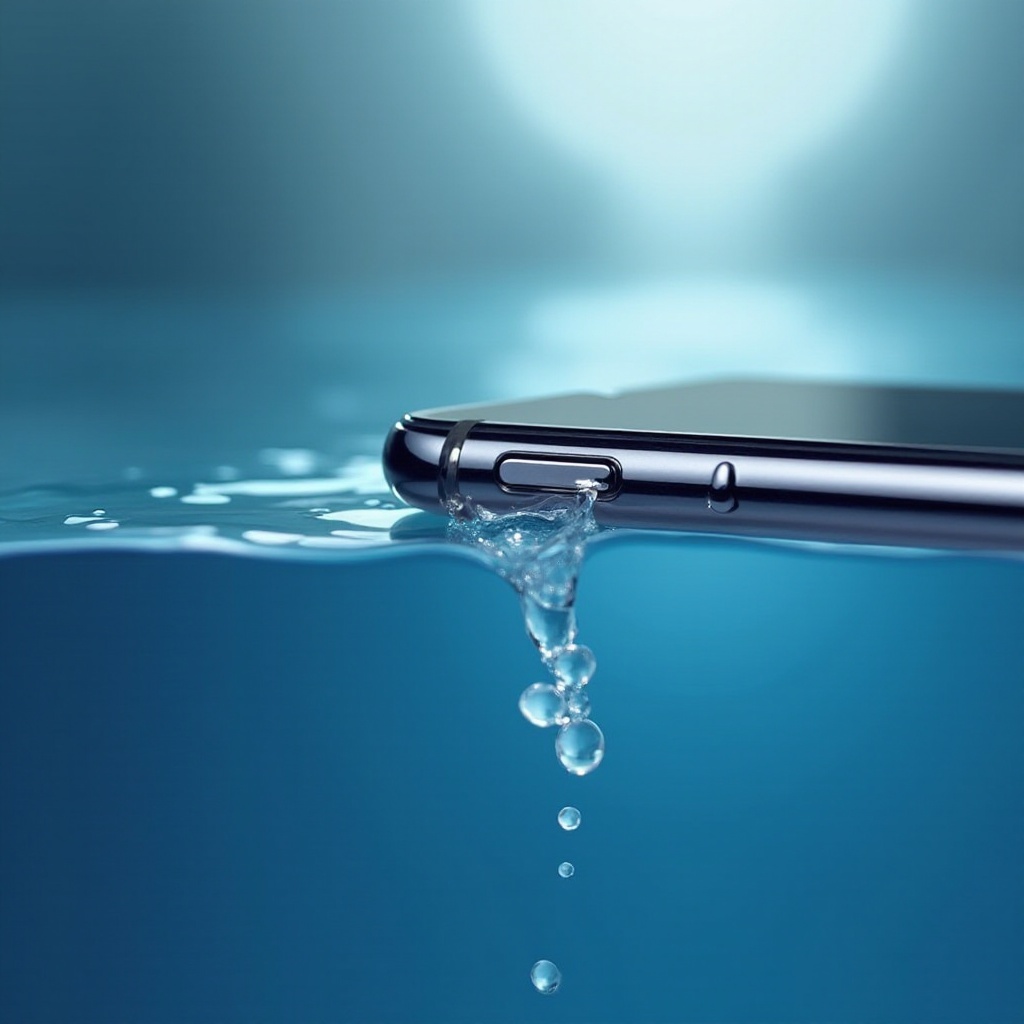
Effective Drying Methods
Having assessed the situation, employing suitable drying techniques can help recover your phone:
- Use Soft Cloths and Absorbent Materials: Dab the phone carefully with a microfiber cloth designed to absorb moisture. Be gentle to avoid further damage.
- Silica Gel Packets: Utilize silica gel packets by placing them with your phone inside a sealed bag. Silica excels at moisture absorption compared to alternatives like rice.
Proper drying is vital, but it’s just as important to be aware of potential mistakes that could worsen the damage.
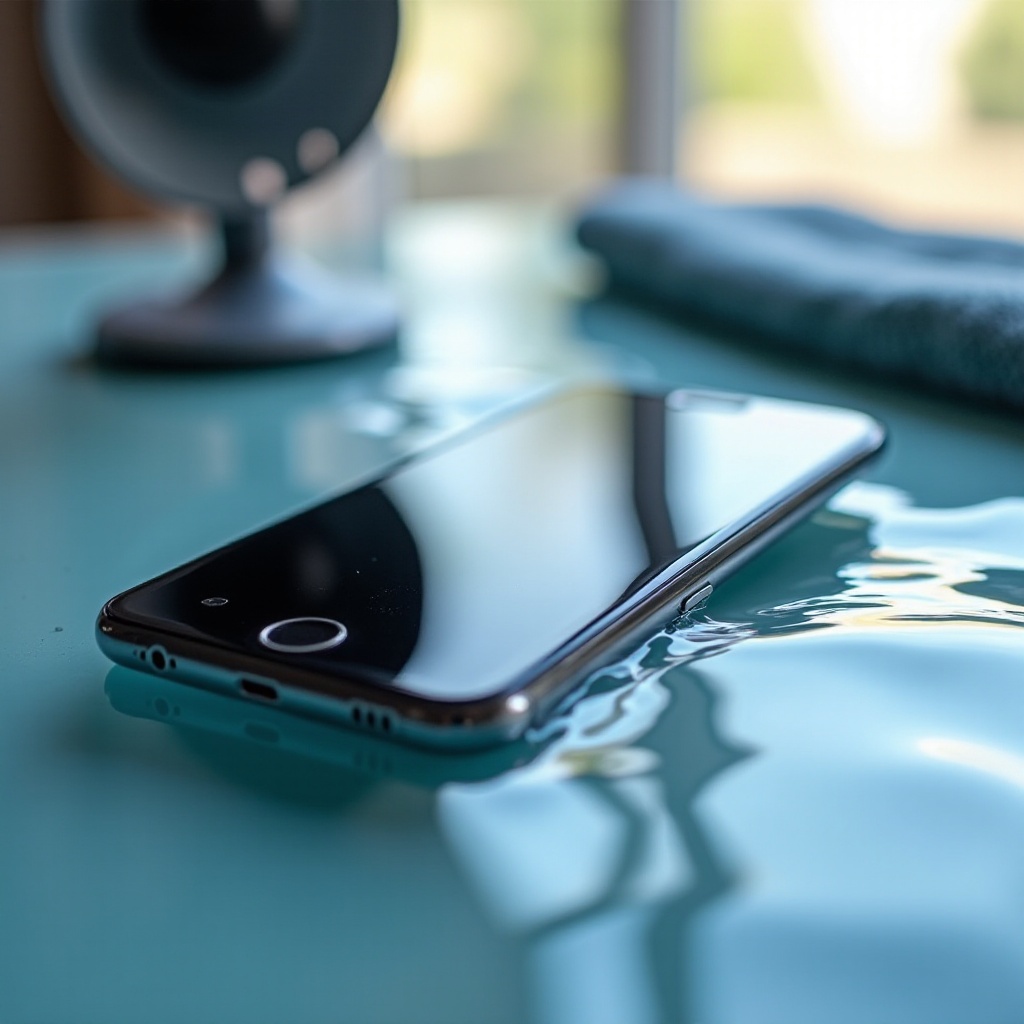
Common Mistakes to Avoid
Certain drying myths and mistakes can cause additional harm to your device:
- Rice Myth: While popular, rice is less efficient and can leave dust particles in your phone. Silica packs are a far better option.
- Heat Sources: Avoid using hair dryers or placing your phone in the oven, as heat can damage components beyond repair.
When at-home methods fail, it’s time to consider professional help to avoid permanent damage.
When to Seek Professional Help
Some situations require expert intervention, especially if signs of damage persist:
- Persistent Issues: If the screen remains unresponsive or functionality fails to improve, internal components may be damaged.
- Selecting a Reliable Repair Service: Opt for authorized service providers known for handling water damage. Check customer reviews for trustworthy service.
To prevent future incidents, consider some preventative steps.
Preventative Measures for the Future
Preventative strategies can provide peace of mind and prolong your phone’s life:
- Invest in Water-Resistant Gear: Waterproof cases and covers act as protective barriers against accidental splashes and drops.
- Mindful Habits: Keeping your phone away from water-prone areas like bathrooms or pools can significantly reduce risks.
Taking these preventative measures can save you from future troubles. By integrating these habits, you’ll protect your device effectively.
Conclusion
The key to saving a water-exposed phone is timely and correct actions. Fast intervention followed by strategic drying and professional evaluation can minimize damage. Preventative measures further protect investments and ensure enhanced device longevity.
Frequently Asked Questions
Can I use my phone if the screen is still wet?
No, you should ensure your phone is completely dry before turning it on to prevent short circuits and further damage.
How can I tell if my phone is truly water-damaged?
Look for signs such as screen flickering, unresponsive buttons, and distorted audio or visuals, indicating possible water damage.
Are all phones waterproof with high IP ratings?
Not entirely. A high IP rating indicates resistance but not complete waterproofing, so it’s best to avoid water exposure whenever possible.